Scripture is the most powerful tool in the Christian author's toolkit. But used poorly, it can feel preachy, heavy-handed, or disconnected from the story. Here's how to use it well.
There is a version of Christian writing that uses Scripture as a decoration. A verse here, a verse there. A spiritual garnish on an otherwise secular meal.
And then there is writing where Scripture is the foundation. Where the Word of God is not added to the story but is the story — where it illuminates, deepens, and transforms everything it touches.
The difference is not in how many verses you quote. It is in how deeply you have let the Word of God shape your own thinking.
Write from saturation, not citation
The best Christian writing does not cite Scripture. It breathes Scripture. The author has spent so much time in the Word that its rhythms, its images, its truths have become part of how they see the world.
When you write from that place of saturation, Scripture doesn't feel forced. It feels inevitable.
The test of integration
Here is a simple test: If you removed every explicit Scripture reference from your writing, would the theological truth still be present? Would the reader still encounter the heart of God?
If yes, you are writing from the inside out. If no, you may be using Scripture as a crutch rather than a foundation.
A practice for Christian writers
Before you write, spend time in the Word. Not researching. Not looking for quotes. Just reading. Just listening. Let God speak to you through His Word before you try to speak to others through yours.
Write from the overflow of that encounter. The Scripture will find its way in — not because you put it there, but because it is already in you.
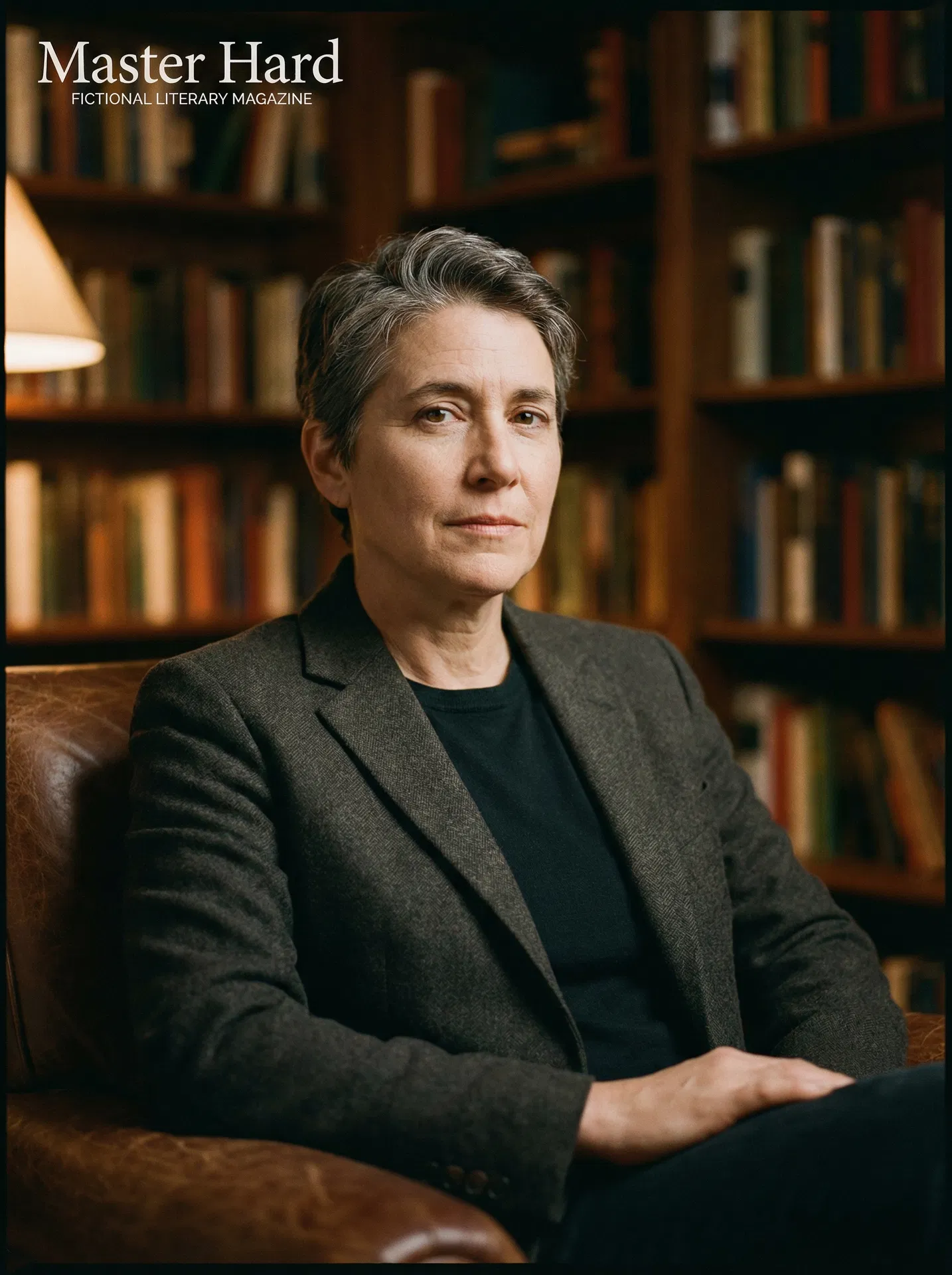
Grace Elaine Mercer is a New York Times bestselling Christian author, sought-after speaker, and Bible teacher whose books have helped hundreds of thousands of women walk deeper in faith, purpose, and the unshakeable love of God.